All Categories
Featured
Table of Contents
Nevertheless, this can be challenging. Lenders rely greatly on your credit history as a signal that you will repay the loan. If you are having issues paying credit cards, your credit report may suffer and there is legitimate issue you will pay back the loan. You could be rejected a loan or, at the minimum, charged a high rates of interest.
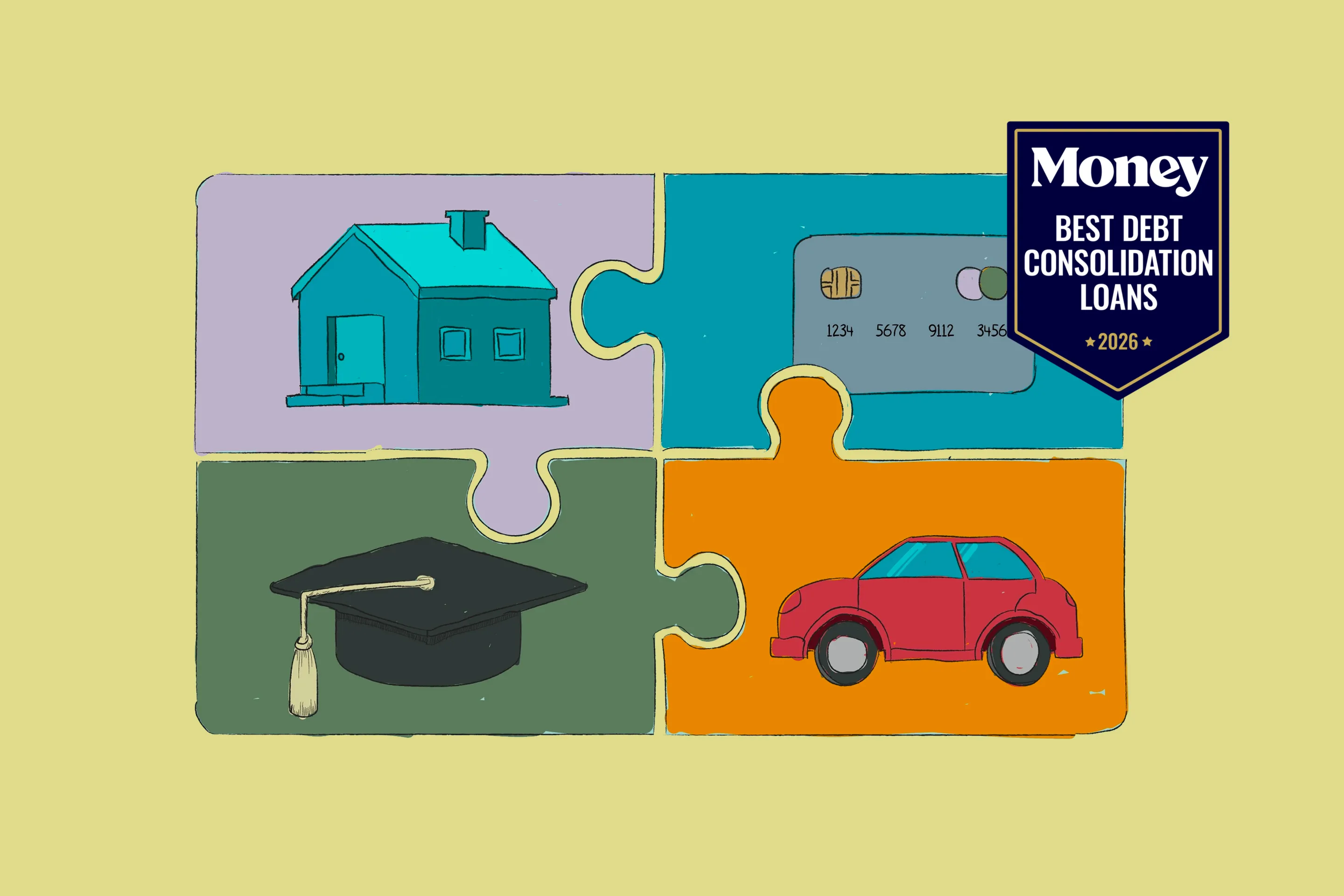
Rates of interest for loans need to be lower than rates for charge card. Loans can be utilized to settle any kind of unsecured debt. A single payment monthly eliminates stress of late payments. Eligibility and rate of interest depend on your credit report, which could be really low if you have a great deal of charge card debt.
A loan is legally binding, while nonprofit debt combination and debt settlement can be cancelled at any time. Loans come with origination costs that need to be paid upfront. These fees can range from 1%-8% of your loan amount. Make a list of unsecured financial obligations you wish to consolidate and include each balance (the total amount you owe) to find out just how much you need to obtain.
If necessary, take steps to raise it over 680. Most likely, that will suggest making on-time payments for at least 3 months. Figure out the typical interest paid on those debts for comparison purposes. If you have a low credit history, it's not a sure thing your rate of interest will enhance.
Use the loan cash to settle each financial obligation individually. Financial obligation settlement seem like a hot option to consolidate debt. Who would not desire to share (or less!) of what you owe on charge card debt? This is considered a desperation step for a reason. Advertisements boasting that settlement business like National Debt Relief can get at least 50% of your debt forgiven, do not tell the whole story.
Top Debt Relief Services for Over-Leveraged Households
The arise from this form of debt combination certainly are blended. Do all the mathematics before you choose this alternative. It needs to be kept in mind that lawyers provide financial obligation settlement in addition to business like National Debt Relief. You will pay less than what you in fact owe. If the lender wants to negotiate and you have enough money to make an appealing offer, this choice could take less than a year.
Financial obligation settlement is extremely controlled in 12 states, making it hard to attain. By the time you pay costs for the service and the charges for late payment, your net reduction likely will be closer to 25% of what you originally owed.
The very first step is to make a list of the financial obligations you plan to settle and do the math to identify the total quantity owed on each account. Research a minimum of 3 financial obligation settlement companies or attorneys Clear One Advantage, National Debt Relief and Liberty Debt Relief are the 3 biggest and compare the terms for each.
Ensure the account is in your name and you have full control of the cash. The financial obligation settlement business should handle each credit card account individually. Usually, there must be at least 40%-50% of the quantity owed currently in the account before the debt settlement company can make a deal.
Will Debt Consolidation Improve Your Credit Outlook?
Consumers have many choices for relief through debt combination programs. Making the ideal choice includes a sincere evaluation of your earnings and spending practices. Simply put: a budget! If you can produce a budget that precisely shows your spending, you will remain in the very best position to choose how much you can pay for each month to dedicate to eliminating debt.
HOW IT WORKS: A credit counselor asks concerns about your income and costs to see if you receive a financial obligation management program. If you enlist in the program, you consent to have InCharge debit a month-to-month payment, which will then be dispersed to your creditors in concurred upon quantities.
CREDIT SCORE EFFECT: Normally, credit scores will improve after 6 months of on-time payments. There will be a drop at first due to closing all but one of your credit card accounts.
Your earnings and expenditures are part of the decision, however credit rating is usually the choosing factor. If approved, you receive a fixed-rate loan and utilize it to pay off your credit card balances.
When the balance has reached an enough level, NDR negotiates with your individual lenders in an attempt to get them to accept less than what is owed. If a settlement is reached, the financial obligation is paid from the escrow account. COSTS: 15%-25% of the original debt. The business site does not note any other fees.
Choosing Qualified Credit Relief Providers
CREDIT RATING IMPACT: It's a huge unfavorable and it lasts for 7 years. Anticipate your credit history to drop 75-125 points as your costs go unpaid and accounts become delinquent. There are many opportunities to removing debt through debt consolidation, however there are just as lots of detours that will compound your problem if you are not taking note.
There are lots of ads in this market that sound too great to be real and it's due to the fact that they are! Don't succumb to them. The first thing to look at before joining a debt combination program is confidence that the agency, bank, cooperative credit union or online lender is there to help you, not to make cash off you.
So, if the fees charged make it a break-even exchange, there actually is no reason to register. Your overall cost in a program should save you money while eliminating your debt. Credit combination business work by discovering an affordable way for customers to pay off credit card financial obligation and still have enough cash to satisfy the expense of fundamental requirements like housing, food, clothing and transport.
They range from huge national banks to small nonprofit therapy firms, with a number of stops in between and use many forms of credit card financial obligation relief. To simplify things, it is most convenient to divide credit combination business into 2 classifications: Those who combine financial obligation with a loan based on your credit rating Those who consolidate debt without a loan and do not use a credit rating at all Banks, cooperative credit union, online lenders and credit card companies fall into the first group.
Accessing 2026 Financial Help for Over-Leveraged Households
They start by reviewing your income, costs and credit rating to determine how creditworthy you are. Your credit history is the essential number because equation. The higher, the much better. Anything above 700 and you need to get a budget-friendly interest rate on your loan. Anything below that and you will pay a much greater rate of interest or perhaps not get approved for a loan at all if your score has dipped listed below 620.
InCharge credit counselors look at your earnings and expenses, but do not take the credit history into account, when evaluating whether you qualify for a financial obligation management program. Based upon the information offered, they suggest financial obligation relief choices such as a debt management program, financial obligation combination loan, debt settlement or declaring bankruptcy as possible services.
Each one is tailored towards a different set of circumstances. If you have enough income to pay your costs, nonprofit debt combination works in most cases. There is very little risk, and the program is really created to be a helping hand. You can cancel whenever and still have the other programs offered as options.

Latest Posts
Proven Strategies to Pay Down Interest Debt in 2026
Optimizing Debt Management Strategies in 2026
Comparing the Top Debt Consolidation Options Available Now